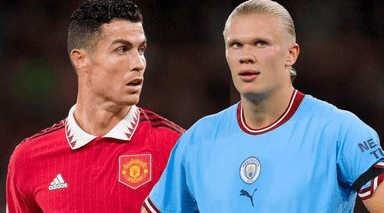

In the upcoming Premier League match, Manchester City will take on West Ham United.
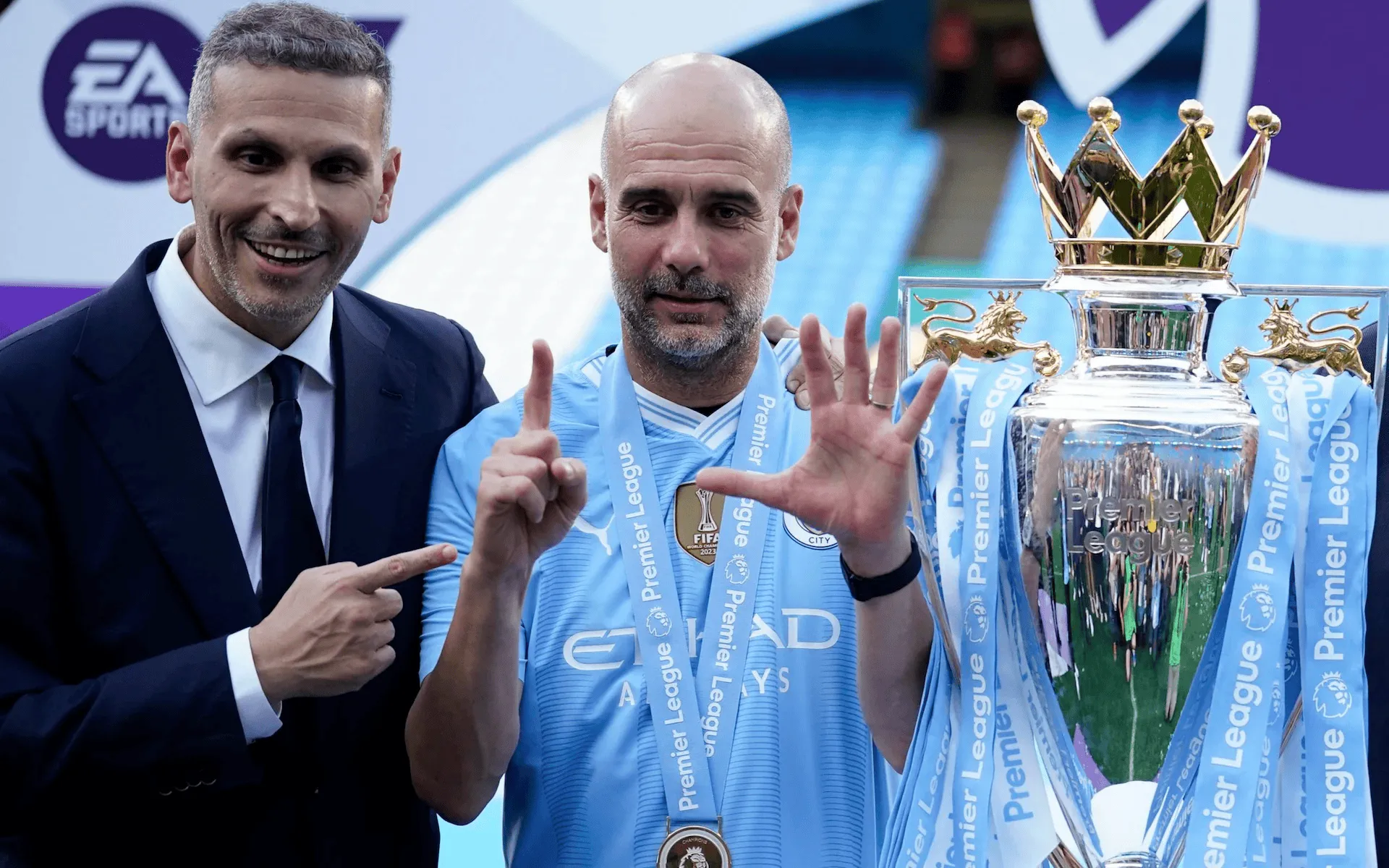
Over lunch in the lavish surroundings of the Tunnel Club at the Etihad Stadium, Man City chairman Khaldoon Al Mubarak voiced his desire for Pep Guardiola to build a Sir Alex Ferguson-style dynasty at the club. Back then, Guardiola had only been in charge of Man City for 18 months, but the club chairman was already talking about the possibility of the former Barcelona and Bayern Munich manager spending a decade in Manchester.
It was also acknowledged that Guardiola had never previously managed a single club for more than four seasons. But Mubarak’s view—one shared by club chief executive Ferran Soriano—was that managing Man City was a completely different proposition from his spells at Barcelona or Bayern, with vastly different political pressures.
Managing Barcelona, in particular, was likened to "being in an oven", whereas Guardiola would enjoy far greater freedom at Man City.
He certainly got that freedom. Before Guardiola’s arrival in 2016, Man City’s model revolved around building a system around a head coach/manager, one that could survive without him rather than being completely overhauled when he left.
As Mark Hughes, Roberto Mancini and Manuel Pellegrini all found out, power concentrated in one person’s hands had its limits after all. But unsurprisingly, that approach was discarded the moment Guardiola walked through the door. His influence spread, players jumped at the chance to join his revolution, trophies piled up, and records were broken one after another.
Man City has been built entirely in Guardiola’s image, becoming a mini Catalonia in Manchester—and why wouldn’t they? They had the greatest manager of his generation at the helm, playing the "attractive, winning football" that Soriano and Mubarak craved.
Man City has lifted 18 trophies, including the Champions League title and six Premier League crowns. Few would be surprised if Guardiola’s tenth season at the club ended with a seventh league title. So to say that Guardiola will leave a huge void when he eventually departs Man City is a massive understatement.
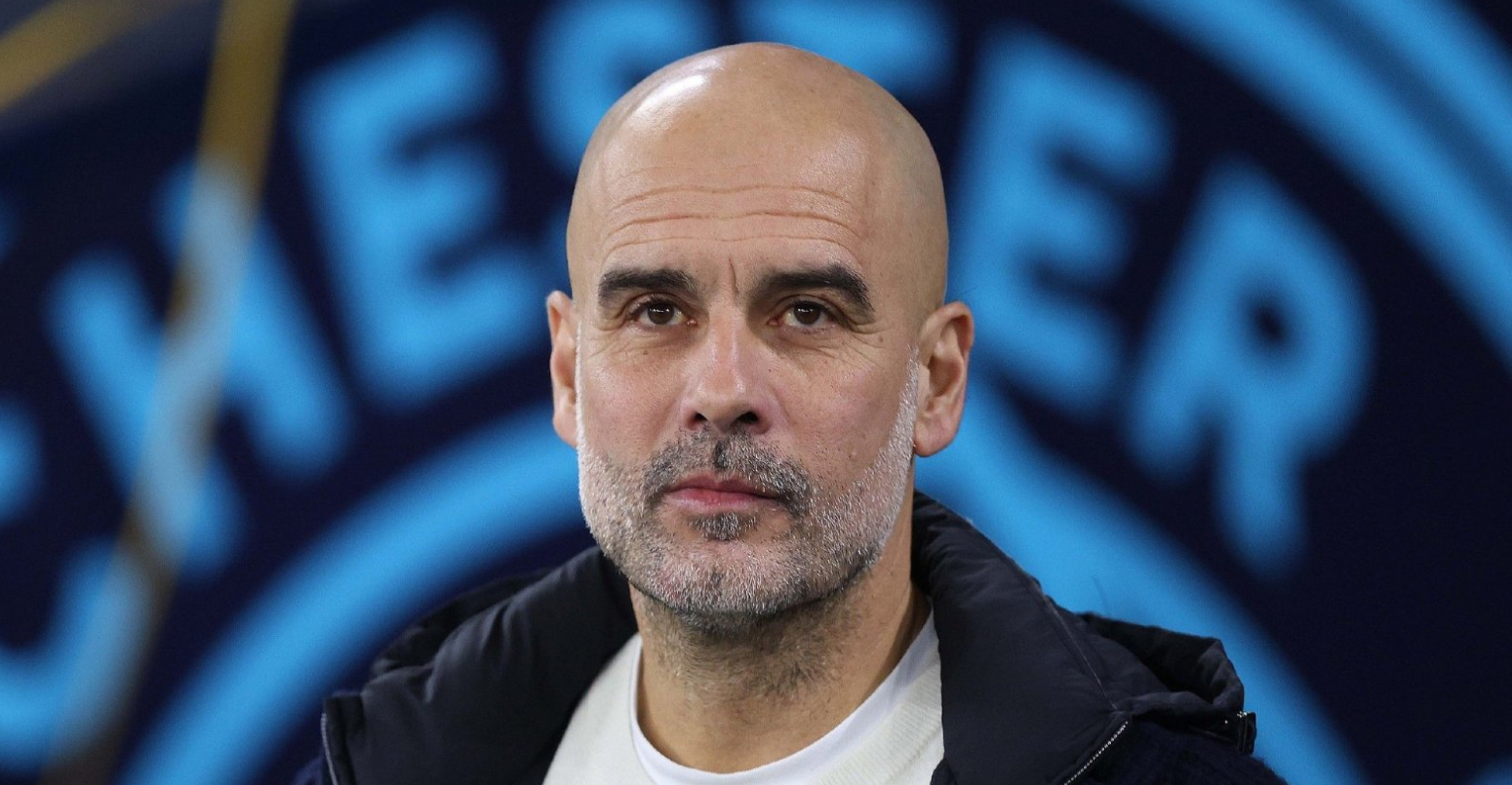
The verdict of the Premier League’s charges against the club will undoubtedly have a significant impact on Man City’s future. But even that could pale in comparison to the Ferguson-sized void that would be left if Guardiola does indeed leave at the end of this season—with reports suggesting the club is drawing up contingency plans for this worst-case scenario.
Guardiola’s successor will likely inherit a far stronger team than the one Ferguson left behind at Old Trafford, with Man City boasting a modern, soon-to-be-expanded stadium and state-of-the-art training facilities. They may argue that they are more than capable of navigating such a difficult transition.
However, this does little to diminish the enormity of the task facing whoever steps into the shoes of this footballing genius—or the club itself.
Before Arsène Wenger finally left Arsenal in 2018, most people recognized that the club needed a change. But no one at Man Utd wanted Ferguson to leave, just as no one at Man City wants Guardiola to go now. Because they know exactly what they stand to lose, and the damage it could cause.
Perhaps Man City will take inspiration from Liverpool, where Arne Slot led the team to a league title in his first season after Jurgen Klopp’s departure. But Guardiola’s influence permeates every core aspect of Man City—a level of impact that is debatable for Klopp at Liverpool. After a stellar first season, Slot has also encountered difficulties now.
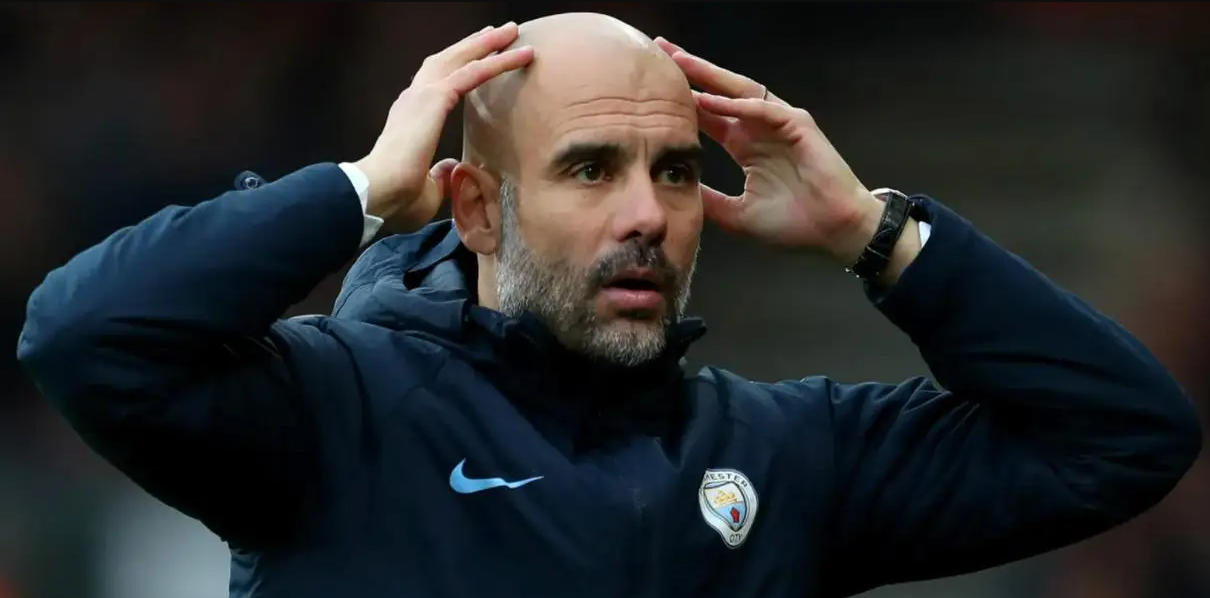
In the eyes of Man City’s critics, the club is a cold, corporate entity that tries to game the system. Unsurprisingly, Man City strongly rejects this narrative, having long denied any wrongdoing in the Premier League’s charges and stating that they have "a wealth of compelling evidence" to support their position.
Just think about how many new signings gush about their eagerness to play for him. In fact, it often feels like they are signing for the manager rather than the club itself. Think about how he makes every member of staff feel like a part of the success.
Think about the pride Man City fans feel every time they sing "We’ve got Guardiola".
After all these years, they still seem to pinch themselves that Guardiola is theirs. He manages with passion, intelligence, new ideas and innovation—with a touch of humor, boundless energy and an insatiable desire to win. He has created a culture, a movement, not just a football team. Will the club be as attractive to players, staff and sponsors without him?
The club would vehemently argue that it will be. But the day when they have to bid farewell to the man who built this modern trophy machine may be drawing near. And replacing him will be the most daunting task of all.