

The 2026 World Cup has sounded the alarm long before its kickoff, with the injury list continuing to expand and star players sidelined one after another. A grueling campaign has prevented many elite footballers from maintaining peak fitness, and widespread injury concerns are set to reshape the competitive landscape of the upcoming 2026 World Cup.
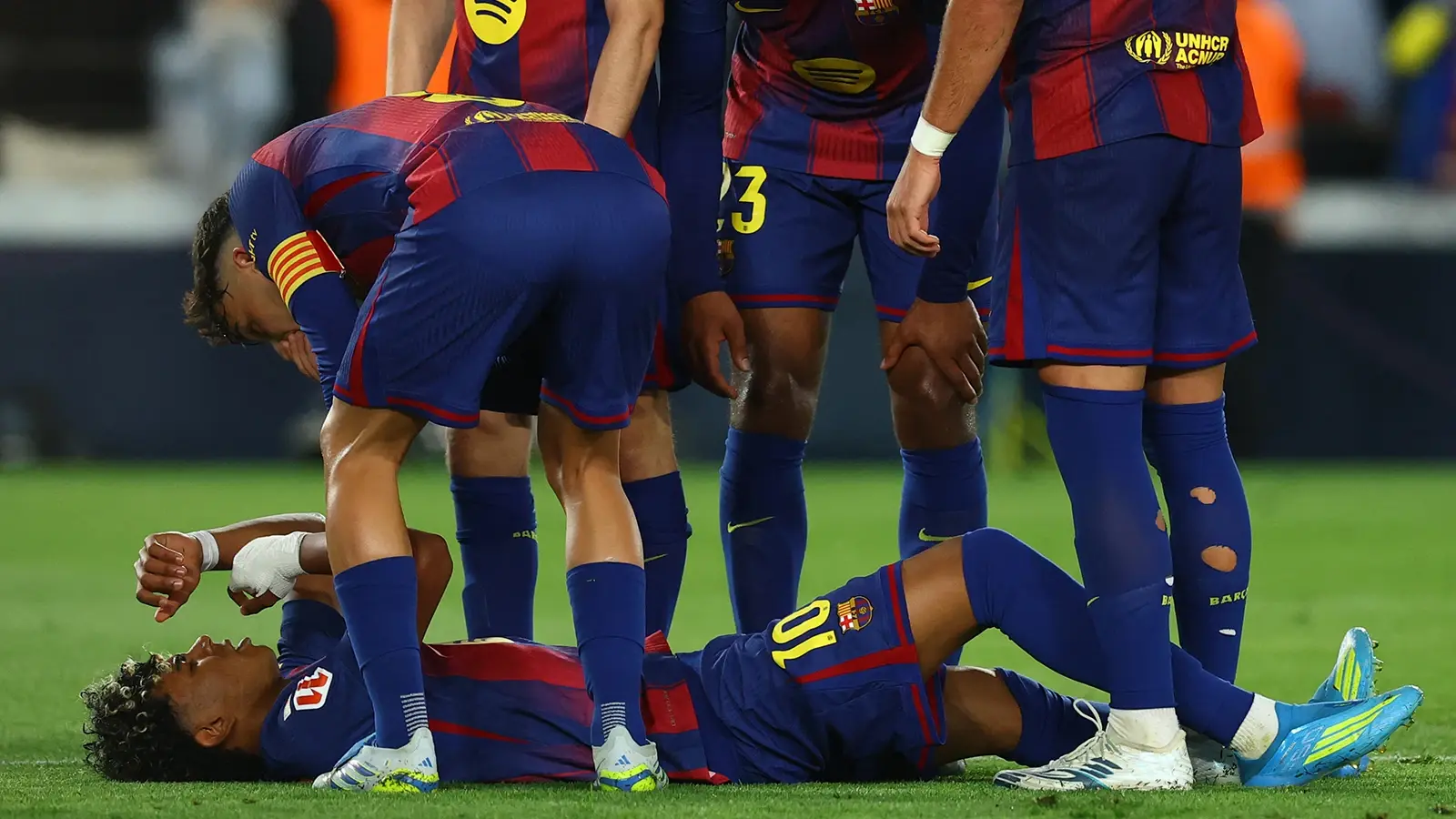
As the 2026 World Cup draws near, a spate of severe injuries has sparked widespread concern across global football. Lamine Yamal, Estêvão and Serge Gnabry are among the latest high-profile players to suffer setbacks amid an extremely high-intensity season.
It remains uncertain whether the first two stars can return to full fitness ahead of the North America 2026 World Cup, while the German forward has been officially ruled out of all national team fixtures in June and July. The growing number of injured players has cast a heavy shadow over what should have been football’s most prestigious global spectacle.
The physical toll on professional footballers has become increasingly evident. Simply put, excessive accumulated playing minutes have led to physical breakdowns for countless athletes. Clubs have endured a brutal 2025-26 season, with signs of extreme fatigue emerging from the very start of the campaign.
Now, with the World Cup on the horizon, the escalating injury situation has raised major alarms for clubs and national federations worldwide, who fear losing key players at the worst possible moment.
Severe Injuries Take Center Stage
Multiple renowned footballers have been confirmed to miss the 2026 World Cup due to serious fitness issues. Player physical problems have accumulated over months, and the relentless intensity of domestic club competitions has spilled over into international tournaments.
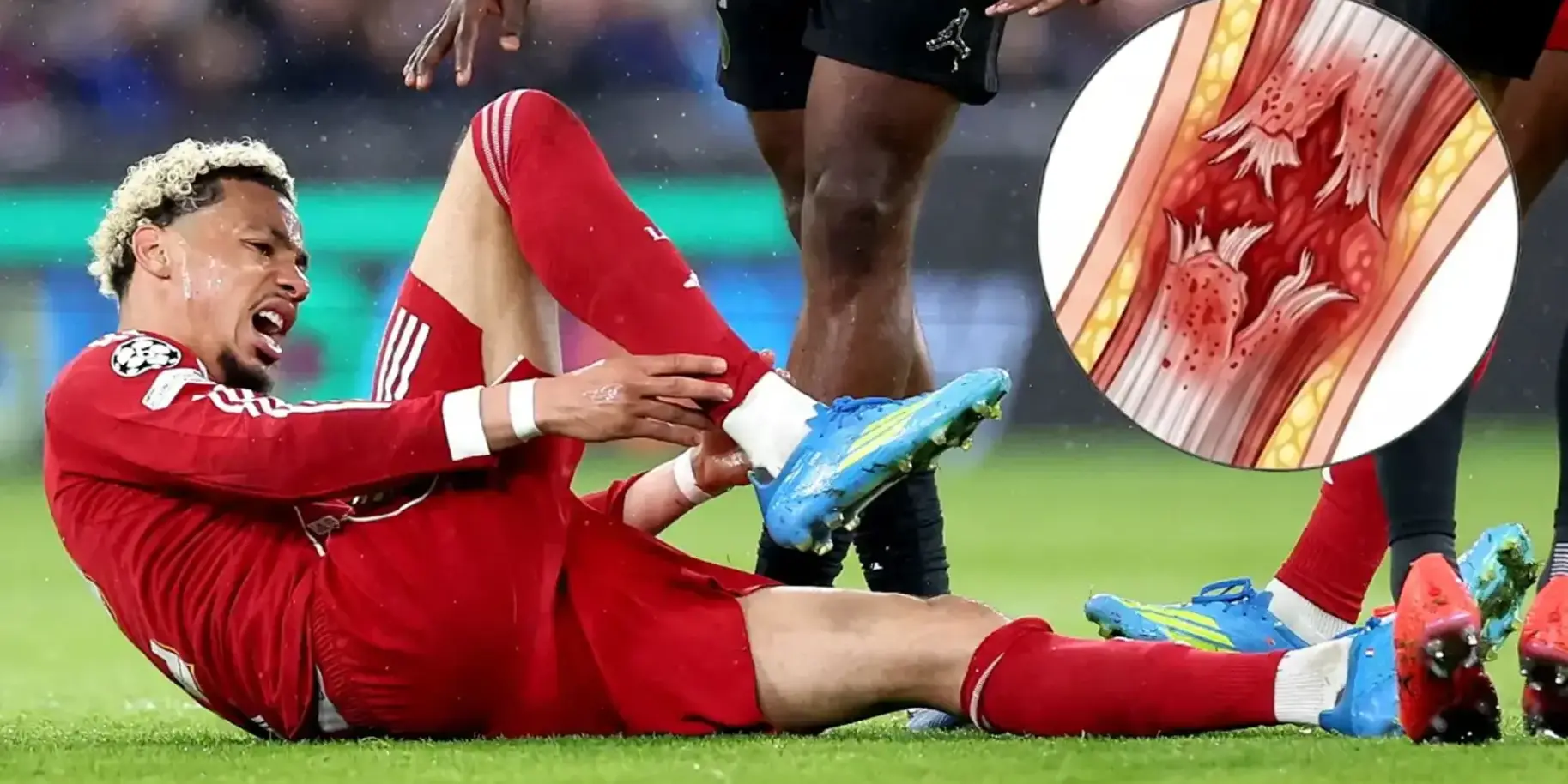
France’s Hugo Ekitike suffered an Achilles tendon rupture during a match against Paris Saint-Germain, and his case is far from isolated, highlighting the immense difficulty of staying in top form amid congested fixture schedules.
Argentina’s Juan Foyth, Mexico’s Luis Malagón, the United States’ Cameron Carter-Vickers and Sweden’s Gustav Lundgren have all sustained similar long-term injuries and will also miss the World Cup.
Such traumatic injuries are the most feared in modern football, often requiring immediate surgery and lengthy rehabilitation periods. The frequent occurrence of these cases exposes deep structural flaws in the current global fixture calendar.
Devastating Knee and Ligament Damage

Fatigue is not the only cause for concern. The rapid tempo and overcrowded match schedules, compounded by overused playing surfaces, have drastically increased injury risks for players.
Insufficient recovery time paired with demanding high-intensity training sessions has made it increasingly difficult for footballers to sustain optimal physical condition. Even minor details such as footwear choices have come under intense scrutiny, as the sport constantly chases every marginal competitive advantage.
In recent months, knee injuries, particularly anterior cruciate ligament tears, have surged sharply. Real Madrid’s Rodrygo and Argentina’s Joaquín Panichelli have both been struck down by identical knee complaints during training and matches. Other affected players include Porto’s Samu Aghehowa, Monaco’s Takumi Minamino and Mohammed Salisu, who plays for a top-tier French club.
These injuries almost always require urgent surgery and prolonged recovery cycles, further complicating national teams’ World Cup preparation plans. The sharp rise in serious knee injuries lays bare the physical fragility of players in the modern football era.
Athletes Pushed to Breaking Point
With their bodies stretched to the absolute limit, muscular injuries have also spiked, frequently sidelining key players at crucial moments of the season. Serge Gnabry’s injury is a typical example; he was hurt in a fixture against Real Madrid, crushing his World Cup dreams.
Meanwhile, Lamine Yamal and Estêvão have both shown clear signs of fatigue, casting major doubts over their match fitness for the global tournament. Last-minute injury scares for Éder Militão and Arda Güler have added further uncertainty to national teams’ final squad selections.
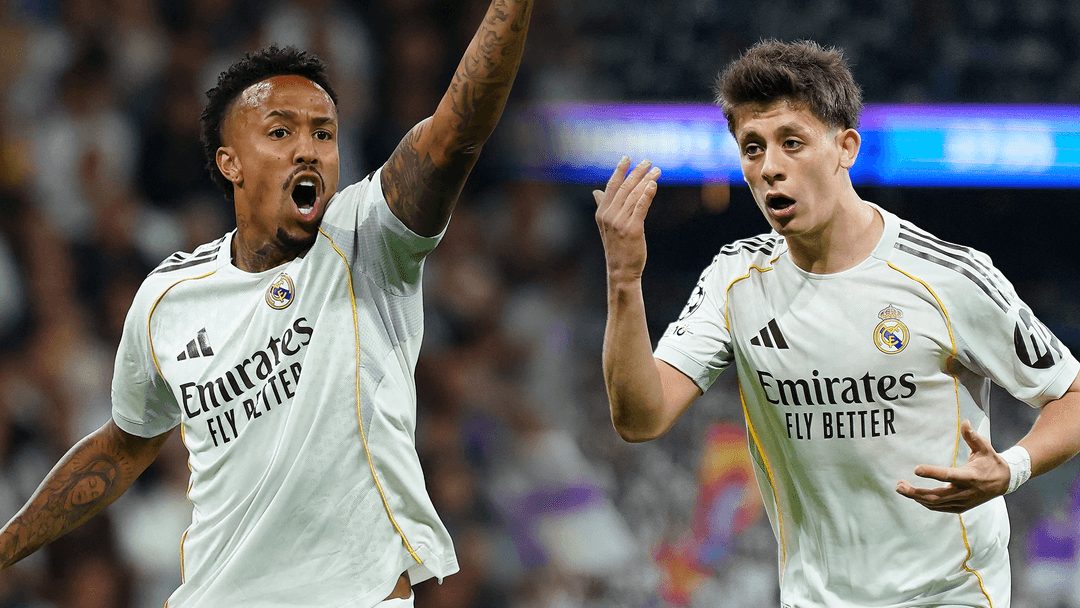
Goalkeepers are not immune either. Alisson and Marc-André ter Stegen are both racing against time to recover from fitness issues, proving that the physical crisis is not limited to outfield players.
In many cases, lingering old injuries, rushed comebacks and mounting pressure to return early have aggravated physical problems, commonly resulting in hamstring tears. This widespread phenomenon proves that the entire football ecosystem is pushing professional players to an unsustainable breaking point.
Club-side pressures have further worsened players’ physical struggles. Cristian Romero’s situation at Tottenham Hotspur perfectly illustrates this conflict, as the club’s relegation threat creates a stark clash between domestic survival needs and national team World Cup ambitions. Like Romero, numerous players face tight recovery timelines to secure their World Cup spots.
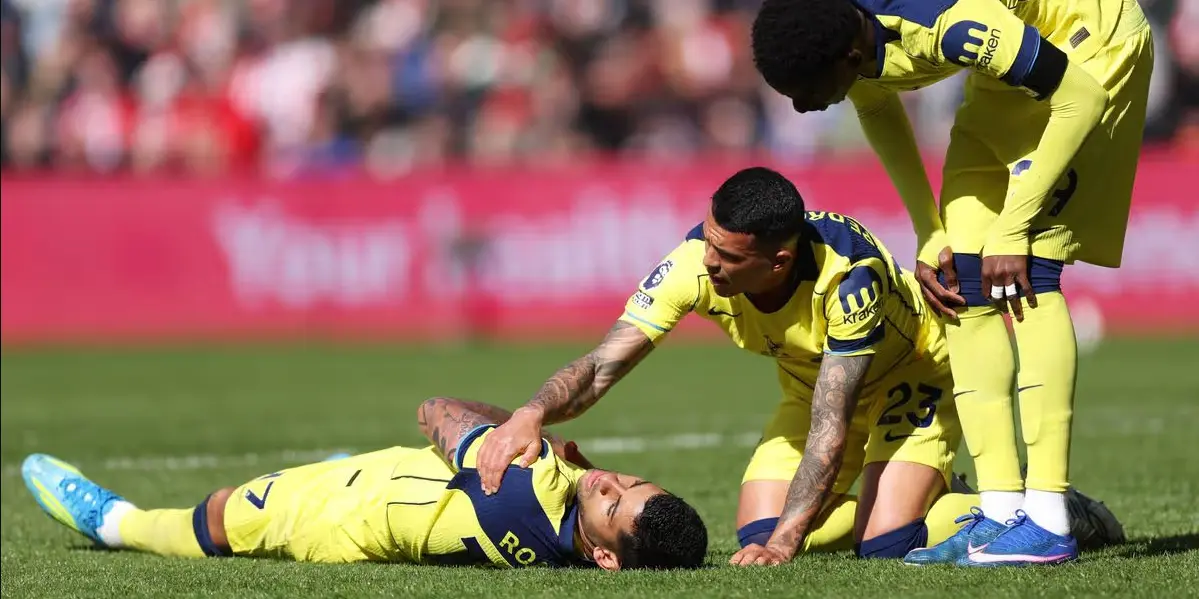
Mikel Merino is battling a stress fracture, Joško Gvardiol suffers from a broken leg bone, Wataru Endō has sustained ankle ligament damage, Romelu Lukaku is troubled by a hamstring issue, and Matthijs de Ligt continues to struggle with persistent back problems. The availability of all these stars for the 2026 World Cup remains hanging in the balance.
Once tipped to be one of the most thrilling World Cups in history, the upcoming tournament is now shrouded in uncertainty, weighed down by unprecedented physical exhaustion and extreme fitness challenges facing today’s footballers.