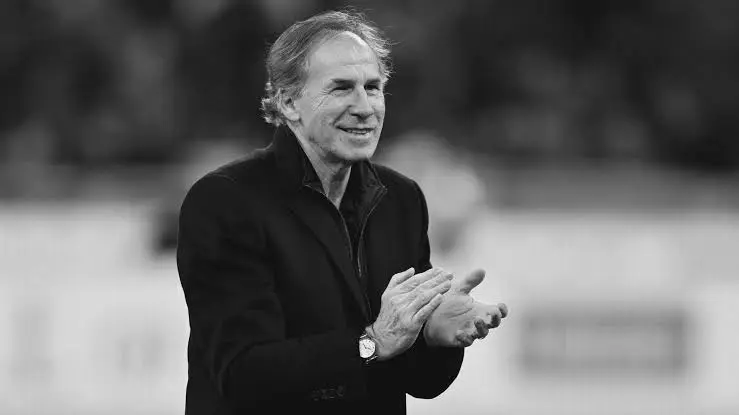

Jürgen Klinsmann, the former Inter Milan legend, gave an interview to La Gazzetta dello Sport, discussing the reasons behind Italy's failure to qualify for the World Cup and the psychological preparation coaches and players should make before Inter Milan's match against Roma.
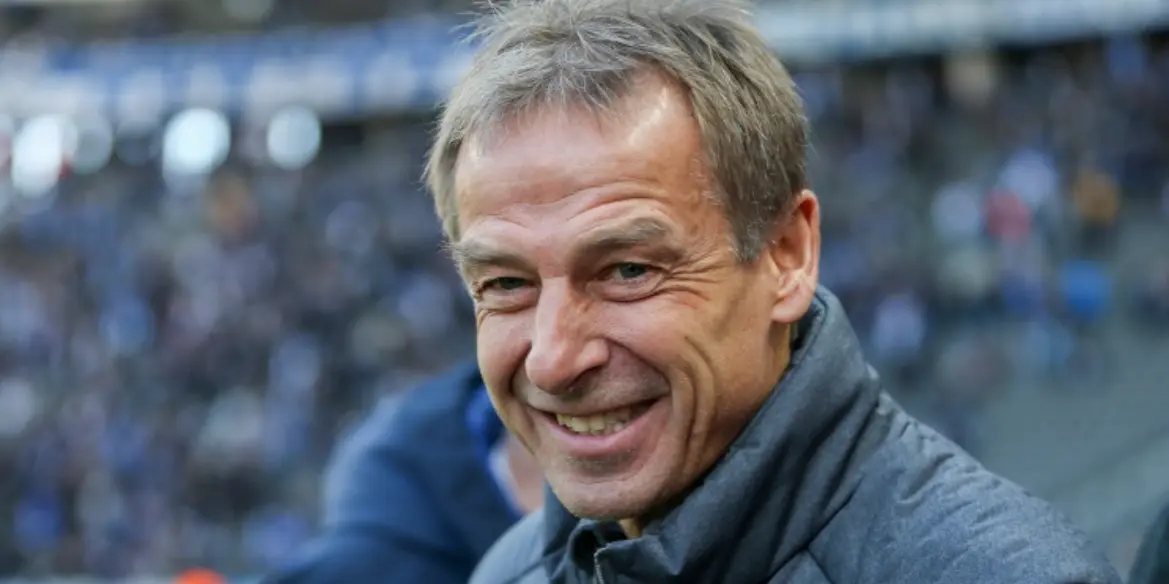
Klinsmann, some Inter Milan players, those Italian forwards who missed the World Cup, left with broken hearts, how can they put all this behind them?
“They should look forward, think about their great club, and understand that they should not be the ones to blame the most. It's too simplistic to think like that. Of course, this national team does have a strong fan base, but when things don't go well, you have to look at the problem as a whole.”
“Undoubtedly, this generation of players lacks true leaders, like Giorgio Chiellini a few years ago. They could have been Nicolò Barella and Alessandro Bastoni, but they weren't. This is not just an Inter Milan problem; leaders are not born by chance, they are products of the environment. If the environment is not conducive to them, it's hard for them to stand out.”
So, what exactly is the environmental problem in Italy?
“It's not just about losing the penalty shootout to Bosnia and Herzegovina, that's just the final result of a series of disasters before. The root cause is deeper, I think it can be traced back to after 2006. The victory of the 2021 European Championship made us forget those key problems that have long existed. But, I repeat, we cannot only blame the players, they are not the root cause of the problem, but the product of systemic drawbacks over the years.”
“They grew up in this system, and coaches, managers, families and the environment have all influenced their development. In the final analysis, the responsibility is collective. It concerns the whole country and the entire football culture.”
So, where should interventions be made?
“Infrastructure, first and foremost. Also stadiums, sports centers, organizational structures. To host the European Championship, you must invest seriously, not perfunctorily. Secondly, the philosophy of the game. In Italy, we often play to avoid defeat rather than to win. This affects the mentality of coaches and players.”
“For example, coaches often choose to draw to keep their jobs rather than take risks to win. This concern is also widespread in lower leagues. It's a common mentality. But the essence of football is the opposite: it should be full of adventure, passion and courage.”
Bastoni is going through the most difficult period of his career. Does he have to leave Italy to get out of his current predicament?
“On the contrary, I hope he can survive in Italy, that is, at Inter Milan. Going through difficult times, even extremely difficult times, is human nature, especially in such a high-level competitive environment. It's part of growing up. In fact, you learn from mistakes and difficulties. If Bastoni can get through this period, not escape, and continue to show himself here, he will become a stronger player.”
“This is a difficult transition period, but it could also be a turning point. However, we also need Italian football to maintain balance. Criticism is okay, but destructive remarks are not. Insults, personal attacks, negative emotions—these are not good for anyone.”
Would you have let Pio take the first penalty?
“No, and I don't think Gennaro Gattuso will make the same mistake again today. Such things are inevitable. But what I said earlier about others also applies to Pio. This moment may turn into an opportunity. Italy has great potential, as Francesco Pio Esposito himself has confirmed. As long as the right choices are made, Pio can bounce back, Bastoni can bounce back, and Italy can bounce back.”