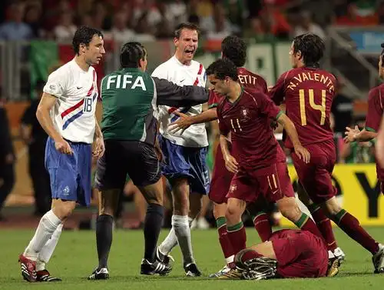

Argentina will face Switzerland in the FIFA World Cup quarter-final tomorrow, replicating the same stage of the 2022 Qatar World Cup. Back then, Argentina eliminated the Netherlands via extra time and penalties after a dramatic 2-2 draw. The fiery fixture set a World Cup record with 18 cards shown and a total of 48 fouls committed by both sides. Argentine players particularly complained about the foul that led to the Netherlands’ stoppage-time equaliser in the 13-minute added time window.
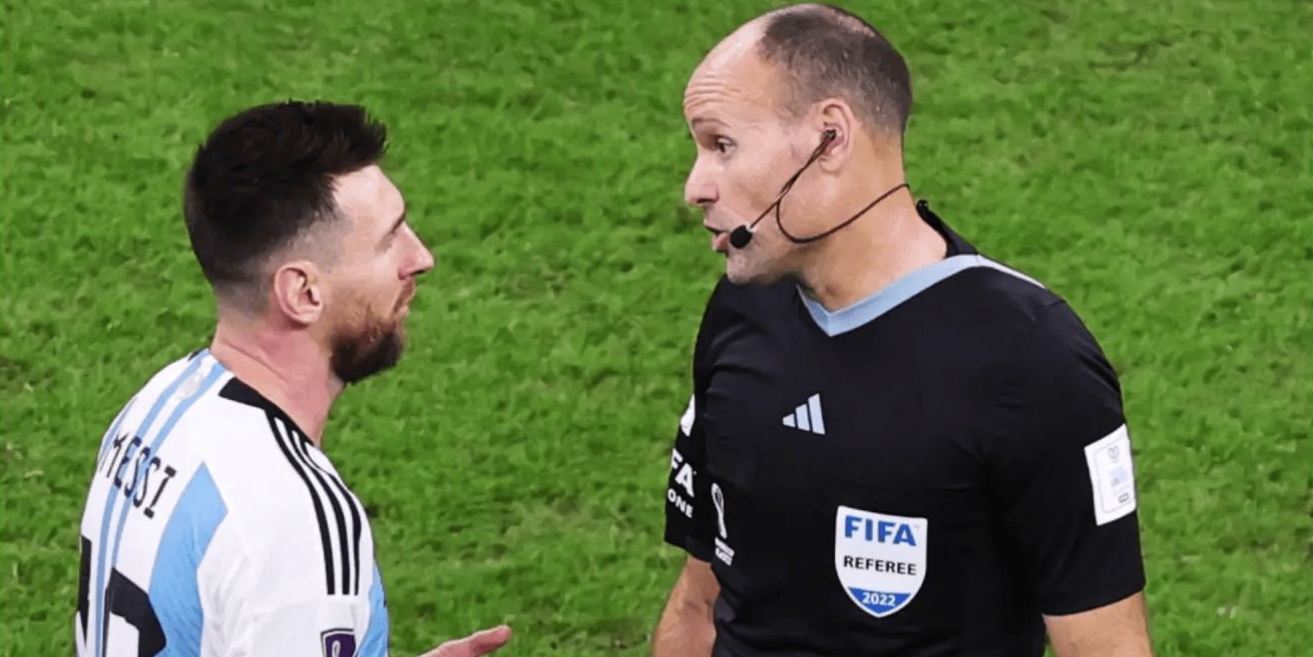
Spanish referee Antonio Mateu Lahoz officiated the controversial clash. In an interview with Marca, he looked back on the game: “With time passing and with a calm mind, I reiterate that this was one of the best technically executed matches of my career. Every single decision I made was correct. Anyone who rewatches the game will confirm this. We showed relative leniency in handing out cards, yet we remained absolutely impartial and fully compliant with FIFA guidelines throughout.”
The referee specifically addressed the on-field conflict between Leandro Paredes and Virgil van Dijk, which was only punished with yellow cards: “The match was already tense due to pre-match remarks, and tensions continued to escalate. Both teams were extremely nervous. We only received the appointment to officiate the game at 11 p.m. two days before the fixture, yet we prepared thoroughly. Interestingly, as we have witnessed recently, Argentina’s matches always spark massive controversy.”
After the game, Emiliano Martínez and Lionel Messi issued fierce criticism of Mateu Lahoz. Messi stated in the post-match interview: “I am extremely furious. We were worried before the game because we knew what kind of referee Mateu Lahoz is. FIFA must reflect on this; such an important fixture should never be assigned to an unqualified referee. Countless details on the pitch suggested the game was steered in favour of the opponents.”
Responding during his holiday interview with Marca, Lahoz said: “I hope everything can settle down with time. Leo said some extremely harsh words about me, but I hope we can talk face to face as athletes one day. I believe those remarks were unnecessary, yet Leo had his reasons, and I hold no grudges. I deeply admire him both as a person and a player.”
Reflecting on the 13 minutes of stoppage time, he explained: “I was heavily criticised for the long stoppage time back then. However, knockout-stage stoppage time calculation differs from the group stage in this World Cup, with numerous goals scored in added time. We strictly followed the rule of extending play reasonably based on actual lost time.”
It is worth noting that Mateu Lahoz was originally appointed to officiate the 2022 World Cup final, boasting elite officiating skills and high industry prestige. He sighed: “To be honest, we were assigned three extremely complex matches in Qatar, my second World Cup after 2018. The first was the host Qatar’s group-stage fixture, the second was the high-stakes Iran vs USA game, and then the Argentina quarter-final. I truly believe we deserved to go further in the tournament.”Talking about the current situation of Spanish
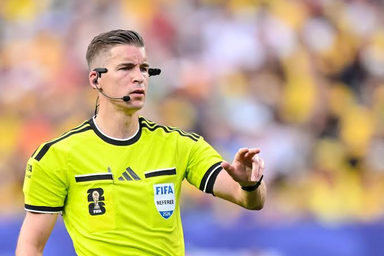
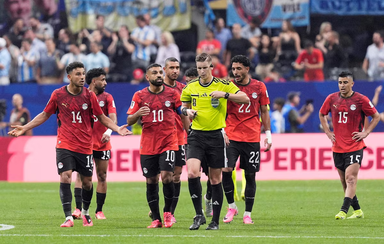
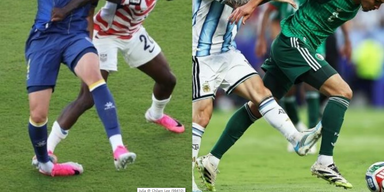
referees, Lahoz expressed regret over their marginal role at the ongoing World Cup, mirroring their lack of opportunities at the 2025 Club World Cup. “We only officiated one match between Brazil and Haiti, which fails to meet global expectations for Spanish refereeing standards. I am disappointed with this situation.” As the Spanish referee with the most World Cup officiating appearances in modern history, he also commented on Argentina’s Round of 16 clash against Egypt: “I believe the French referee should have reviewed two incidents, not only the disallowed Egyptian goal but also the build-up to Argentina’s third goal. Referees should be permitted to check both incidents and make independent judgments. Frankly, I disagree with the current application of VAR. It should serve as a second chance for referees and benefit the entire sport, rather than merely serving on-field officials.”