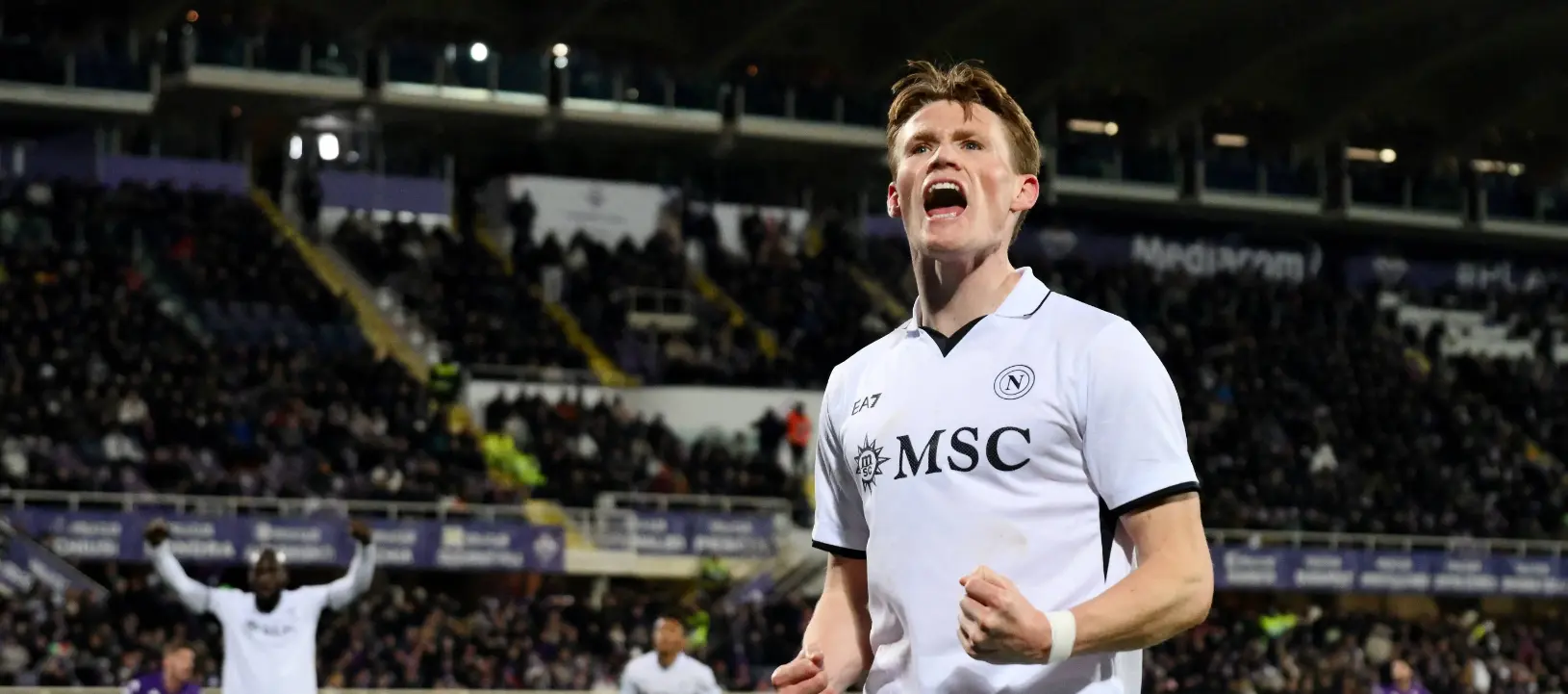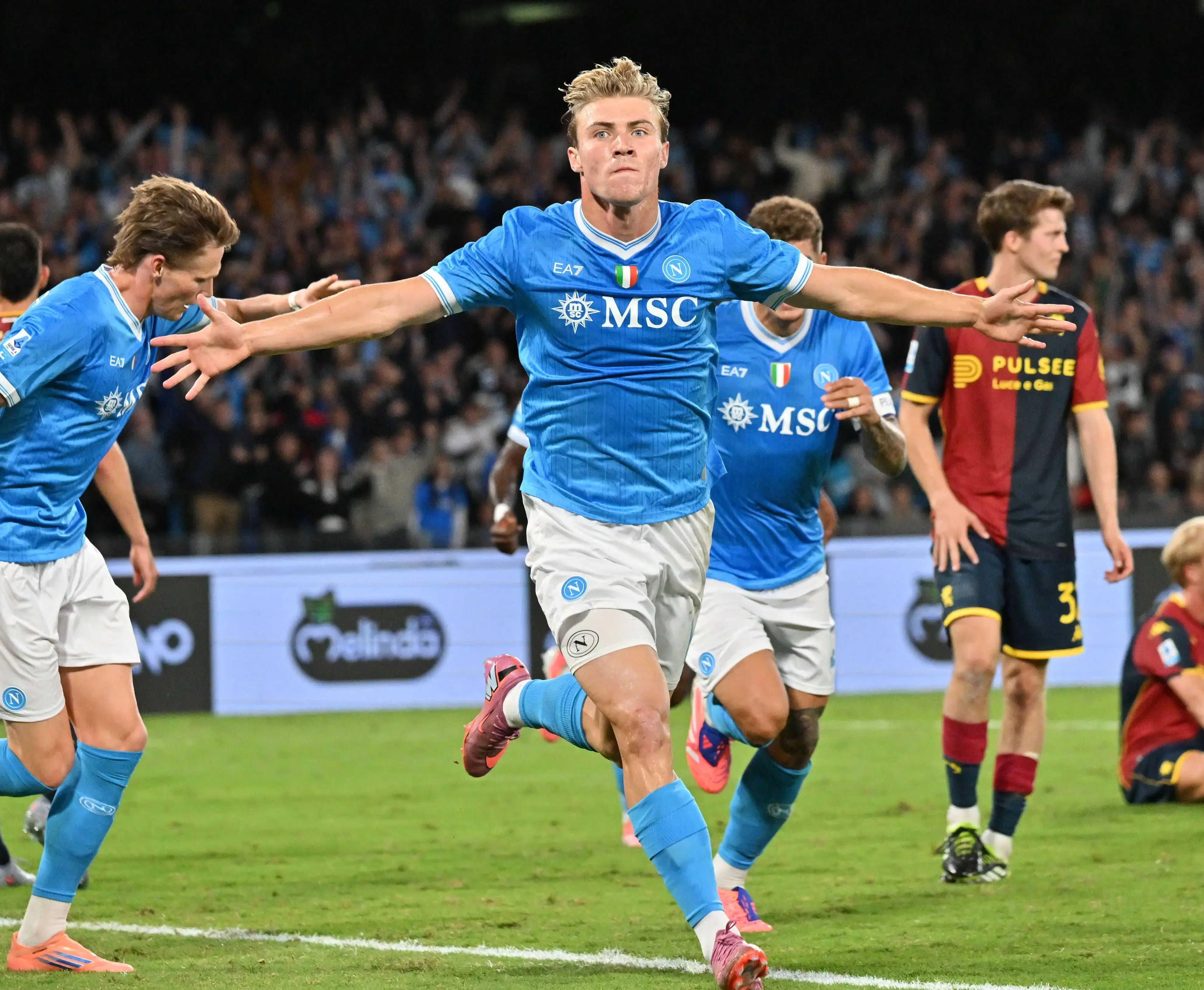


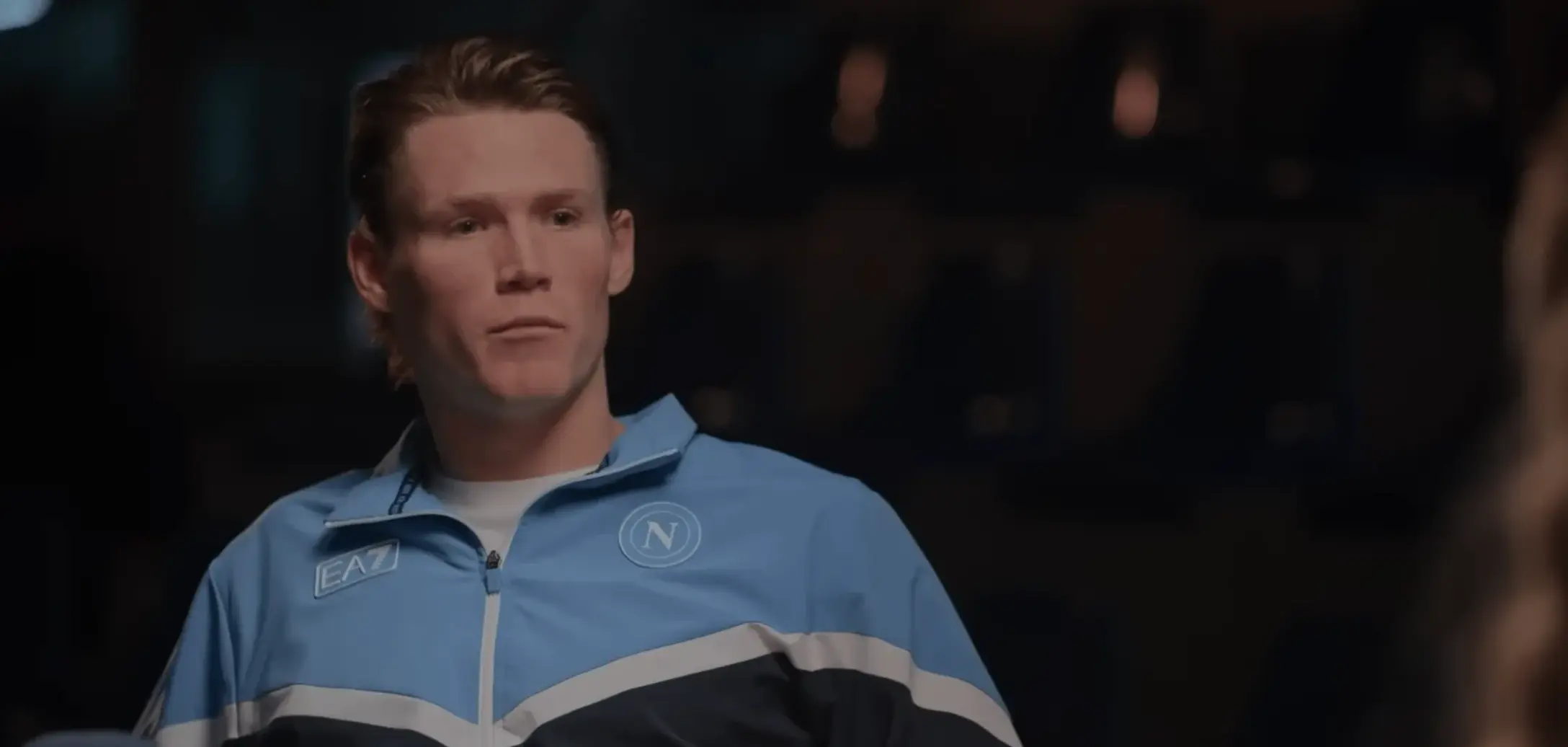
Former Manchester United player Scott McTominay recently sat down for an interview with Camel Live, where he addressed the narrative that "players get better after leaving Man Utd".
On Whether Any Public Comments Have Bothered Him Given His Strong Mental Toughness
Obviously, your mental toughness seems extremely strong. Have any public remarks ever bothered you?
No, never. The only thing that would bother me is if a manager called me into the office and said, “You don’t look right.” I’d be like, “That’s horrible.”
Because if I don’t look right, it usually means two things: either my form has dropped off and I’m running less, or my attitude and body language are poor. I never want anyone to question that about me. That’s probably what I fear and obsess over, and it’s why I stay so focused and give everything I’ve got.
On Maintaining His Work Ethic During Tough Times at United Under Ten Hag
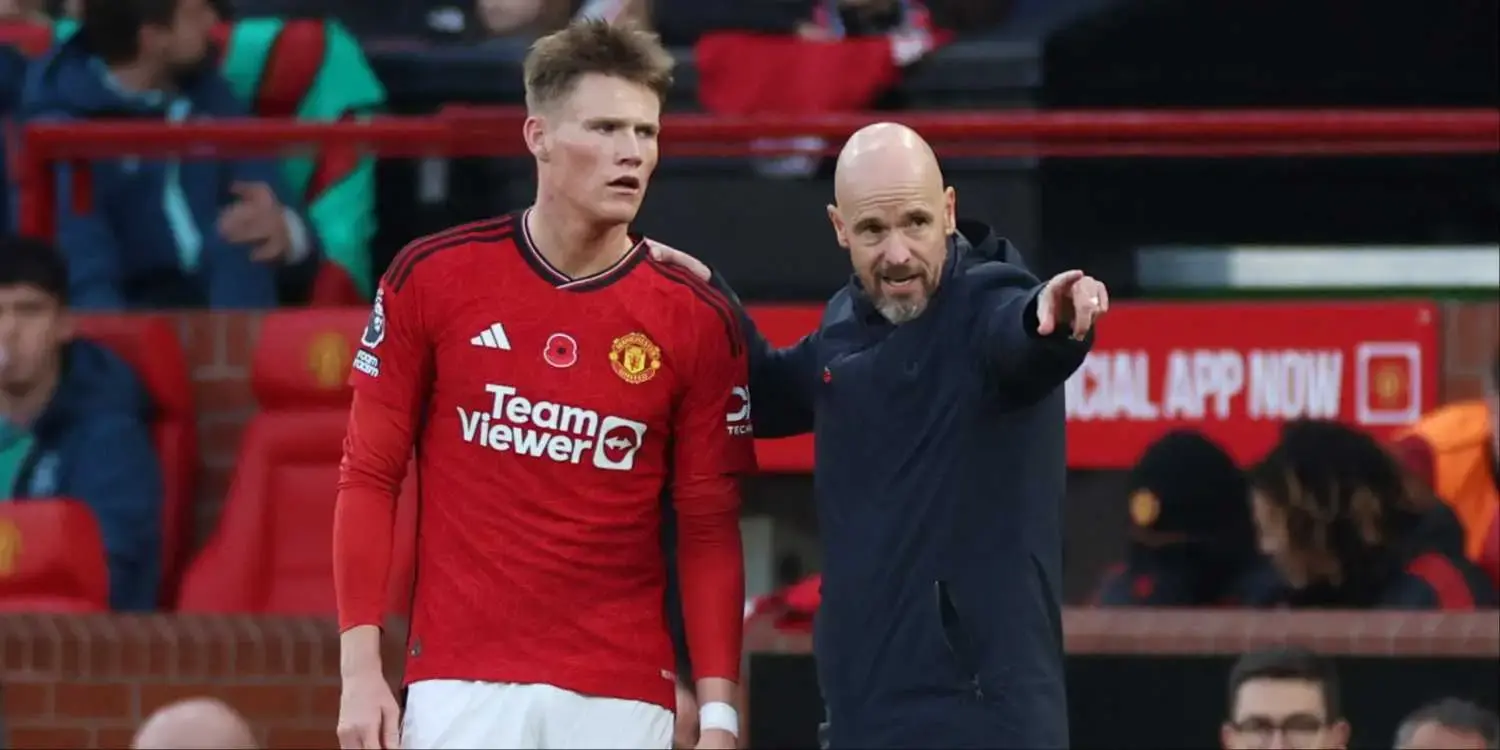
I’m sure it’s easier to do that when you’re in good form, right? Like you are now at Napoli. For example, during those difficult years… the years under Erik ten Hag at Manchester United.
I never thought of it that way. I don’t consider that time a low point, honestly.
On Countering the Suggestion That He Was in a Slump Given His Later Success
How could it not be? I mean, what you achieved last season…
You can’t think like that. For instance, if I had a bad game the other night, you can’t just go, “Oh well, everyone thinks I’m in good form right now, so I can get away with it.” You can’t. This is professional football.
People’s memories are like goldfish—they forget things in an instant. But I swear to God, this…
You can’t think, “Oh, you know what? Because I’ve been playing well lately—for a month, two months, a year, 18 months, three years, whatever—I can cut corners.” You can’t, because that’s how football works. There’s always someone waiting to take your spot.
Once you lose that passion, don’t even dream of making it in this game, really.
On Signing for Manchester United’s Youth Academy at Age Five
You signed officially with Manchester United’s youth academy when you were about five years old, if I remember correctly?
Yeah, I joined the academy when I was just five and started playing football. At that age, though, the most important thing is to enjoy the game. You just need to…
Tactical changes don’t become more important until you’re 15 or 16. Before that, just have fun playing football. Some kids these days are under so much pressure… I see people online saying things like, “Oh, they need to do this and that, and everything possible to make it to the Premier League or get capped by the national team.”
Just let them enjoy football, let them express themselves, and let them find their own way in the sport.
On His Injury Troubles and Rapid Growth Spurt During His Time in United’s Youth System
I read an article about you saying that you struggled with injuries during your time in United’s academy. They weren’t sure if it would affect your career because you went through an incredible growth spurt over two years—growing about 14 inches, for example.
Yeah, I was only 1.68 meters tall when I was around 16. But when I was younger, I played the No.10 role really fluidly. That kind of player who glides through midfield, small in stature, quick on his feet, receiving the ball, turning, shooting—all that stuff.
Then I grew taller, and I just felt like I lost my way. My balance and coordination weren’t the same as before. It really stuck with me because when I was 16, I played 45 minutes alongside Marcus Rashford for the U16 youth team. I just thought, playing the No.10 role now is nothing like it was when I was 12, 13, or 14.
It took me a long time—from 18 to 21—to really adapt to my body and feel like a man, you know? Some players start playing senior football at 16, 17, 18, but that wasn’t me. Not until I was 21.
So in my head, in my body, and now mentally, I’m 29, but I feel like I’m nowhere near that age in terms of experience on the pitch.
On When He Started Treating Football as a Job
When did you start viewing football as a job?
Honestly, never. The only tough part is the constant traveling and stuff like that. But to call it a job? I know how lucky I am to have this opportunity.
So I could never define it as a job because there are hundreds of millions of kids out there, plus people my age or a bit older, who dream of nothing more than becoming a professional footballer, at any level. So yeah, you can never take anything for granted.
On His Time at Manchester United Amid the Club’s Turmoil
You mentioned Manchester United earlier, talking about the good, the bad, and the ugly. You went through a turbulent period at the club—they were struggling, changing managers, trying to find the right solutions to get everything back on track. I want to ask how you look back on your time at United?
Yeah, honestly, I’m incredibly proud. I made 255 appearances for United, scored some crucial goals, and won two trophies with the team. So if someone had told me that when I was 16, I would never have believed it. Looking back now, I’m so grateful to everyone I met at the club.
No matter what happens in football with the financial troubles leading to player transfers, or whatever went on when I left, I will always wish them all the best. The important thing is that I fulfilled my dream of playing for Manchester United. I’m extremely proud of that.
On His Resurgent Form at Napoli and Unfinished Business in the Premier League
I know that since you transferred from United to Napoli, your form has bounced back, mainly because of your position on the pitch, right? You’ve been deployed in the role that suits you best—putting you in a position to play at your highest level. Does that make you feel like you have some unfinished business at United or in the Premier League, making you want to go back and prove yourself at some point?
In my last two years at United, I remember scoring 10 goals in my final season there, some of which were really crucial. I was playing a bit further forward at the time, and I thought, this is where I should be playing. I’ll never forget what Kieran McKenna said to me: “You score so many goals in training—when are you going to get the chance to do it in games?”
I thought to myself, well, surely you’d say, ‘We’ll play you a bit further forward’ or something like that. But in football, things don’t always work out that way. If a manager comes to you and says, ‘We need you to do this for the team, or we need you to do that’—like now, I’m playing a bit deeper.
So my role has changed. You can never be arrogant or conceited enough to say, ‘Oh no, I don’t want to do that. This is my position. This is where I want to play for the rest of my career.’ Because that’s just not realistic.
Like you said, every time you step onto the pitch, you have to give it your all. That’s just how it is.