

A British journalist has written a column on the issue of trademarks and likeness rights for footballers.
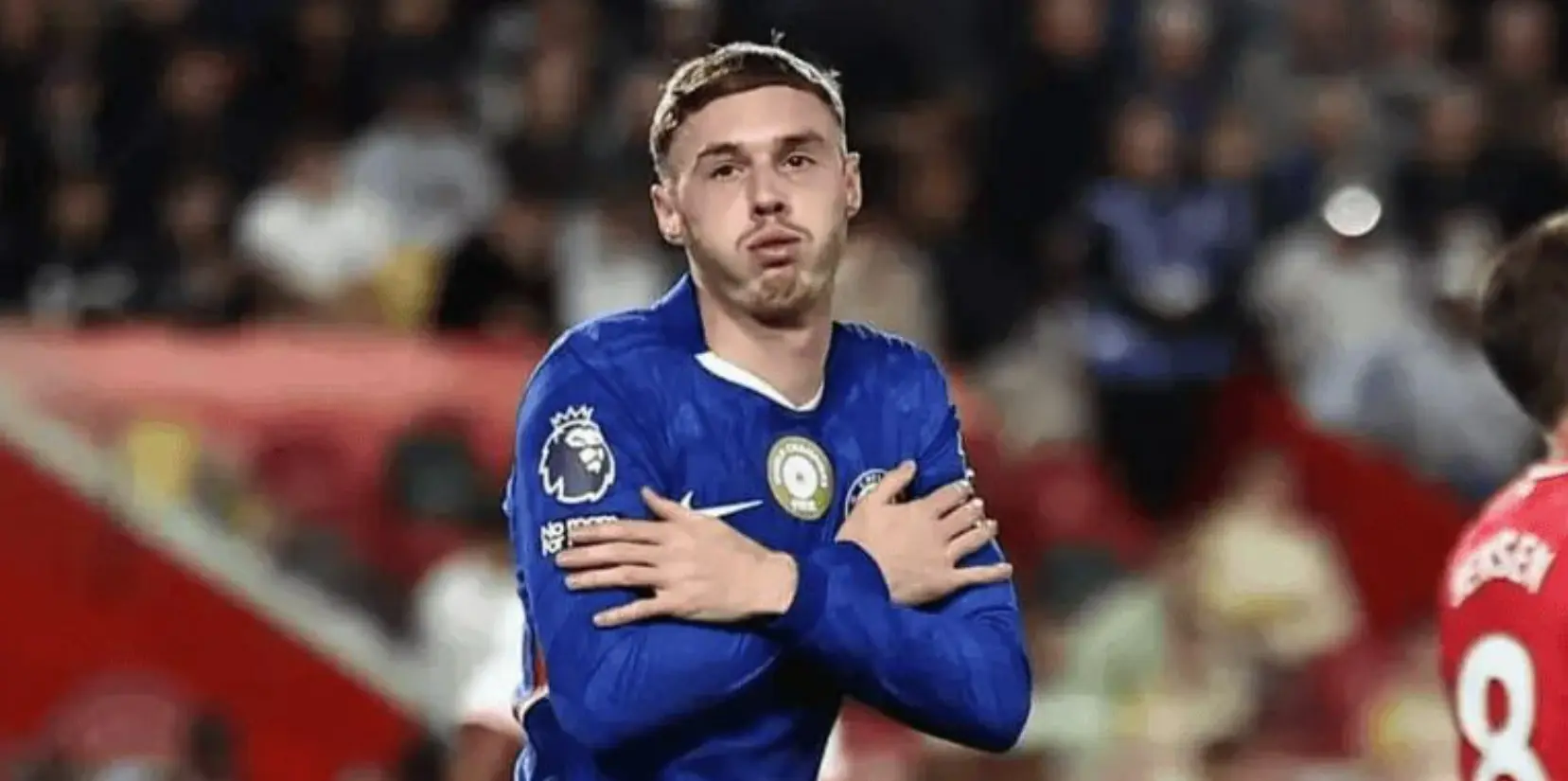
In terms of trademark registration for goal celebrations, a registered trademark can also provide negotiating leverage if video games wish to use them as in-game features.
Commercial expert Wilkinson stated: “Athletes are doing everything they can to find ways to force licensing. If a player registers their goal celebration as a trademark for video games, technically they have the right to control the use of that registered celebration in video games.”
“For example, Cole Palmer even performed his signature shush celebration while wearing a plain black T‑shirt for his trademark application. This helps protect him in any future transfers and arguably increases the value of the trademark. A player has the right to go to game developers and say: 'If you want to use this celebration, we need an agreement.'”
There is no fixed model for the specific process of such a deal; in theory, he can ask for any amount. The key is his negotiating position. If they use it without authorization, he can file a trademark infringement lawsuit.
Johnny Madill, partner in the sports team at Sheridan Law, also stated that he advises athletes to protect their names and images because “artificial intelligence, deepfakes and intellectual property brand infringement are becoming increasingly common.”
He said: “We have seen numerous cases where athletes’ images are stolen in AI‑generated videos. Therefore, owning brand trademark rights provides better legal protection when dealing with infringers.”
For clubs, players’ personal trademark rights can pose challenges. Contracts signed between players and clubs usually include likeness rights agreements, meaning players must allow the club to print their names on shirts and permit club sponsors to use their likeness or image within certain limits.
In addition, players may not promote any brands that conflict with the interests of the club’s sponsors near the club or at training facilities.
However, the agreement no longer applies when a player leaves. This is why Manchester United and Real Madrid fans cannot order personalized shirts with “Ronaldo” or “CR7” on the official club stores, as Cristiano Ronaldo has registered his name as a trademark. In fact, when The Athletic tried to enter Ronaldo’s name on both clubs’ official websites, it failed.
Players are not the only ones using trademarks to boost commercial revenue. Clubs are increasingly moving into this area. Manchester United has registered “Theatre of Dreams” – the nickname for Old Trafford – as a trademark, allowing it to use the name on bags, jewellery and clothing.
Manchester City has also registered trademarks such as “Blue Moon” (its pre-match anthem) and “93:20”, referring to the iconic moment when Sergio Agüero scored to win the Premier League title for City in the final round of the 2012‑13 season.
Liverpool has registered the phrase “Let’s talk about six Baby” as a trademark, a quote from Jürgen Klopp after winning the club’s sixth UEFA Champions League trophy in 2019, allowing the club to produce products with the slogan.
However, Liverpool famously tried to register the word “Liverpool” as a trademark, only to be rejected by the UK Intellectual Property Office. The office noted the “geographical significance” of the city of Liverpool meant the club could not seek exclusive commercialization of the name.
Clubs are also trying to register motivational marketing slogans or fan chants as trademarks. In 2019, Tottenham Hotspur registered the fan chant “One of our own” – used to praise homegrown talent Harry Kane – as a trademark.
Last year, Chelsea Women registered the phrase “Unapologetically Ambitious” for use on products including clothing, marketing and games. Investor Alexis Ohanian regularly uses the phrase in interviews and on social media.
Chelsea was previously an exception, even registering staff names as trademarks. When José Mourinho joined Chelsea from Porto in 2004, the club deemed him so special that it registered his name as a trademark in 2005 to promote merchandise sales.
Mourinho is the only manager in Chelsea history to have a registered trademark, with the club retaining rights to his name until 2025. This meant the club owned trademark rights for goods including aftershave, lipstick and nappies even during his spells at Real Madrid and Manchester United.
Chelsea has only ever registered a trademark for one other player: Fernando Torres. The trademark ran for 10 years starting in 2011, after his controversial and ultimately unsuccessful move from rivals Liverpool.