Back to the Final After 20 Years: How Did Arsenal Reverse Their Recent Slump?
GunnerNirvana
337
How to prevent losing the website and learn more about predictions & news? Welcome to join our Telegram channel, where you will find everything you want about CamelLive.
Arteta's Self-Saving New Tactical Approach
After the first leg, the gap between Arsenal and Atletico Madrid was already evident.
That's why we said at the time that Atletico Madrid failing to win at home should be considered an Arsenal victory. However, many things happened within this short week.
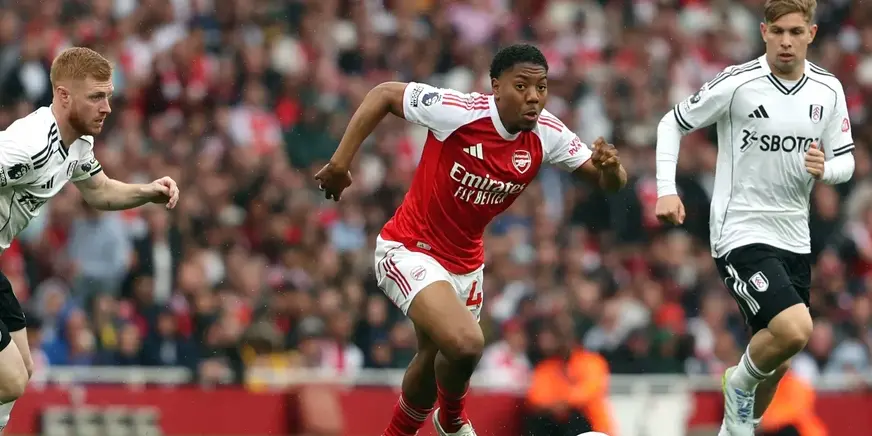
Last weekend, Arsenal comfortably defeated Fulham at home, effectively managing the fatigue from playing twice a week. In this match, Arteta made several adjustments, including Lewis Skelly partnering with Declan Rice in defensive midfield, Leandro Trossard,
Eberechi Eze, and Bukayo Saka starting together, plus the performance of Gyökeres, allowing Arsenal to display a fluidity rarely seen recently.
Of course, Manchester City dropping points yesterday also boosted morale throughout the team.
Thus, Arteta showed rare courage by not shelving this relatively innovative approach to the bench, but instead choosing to continue using it in this match.
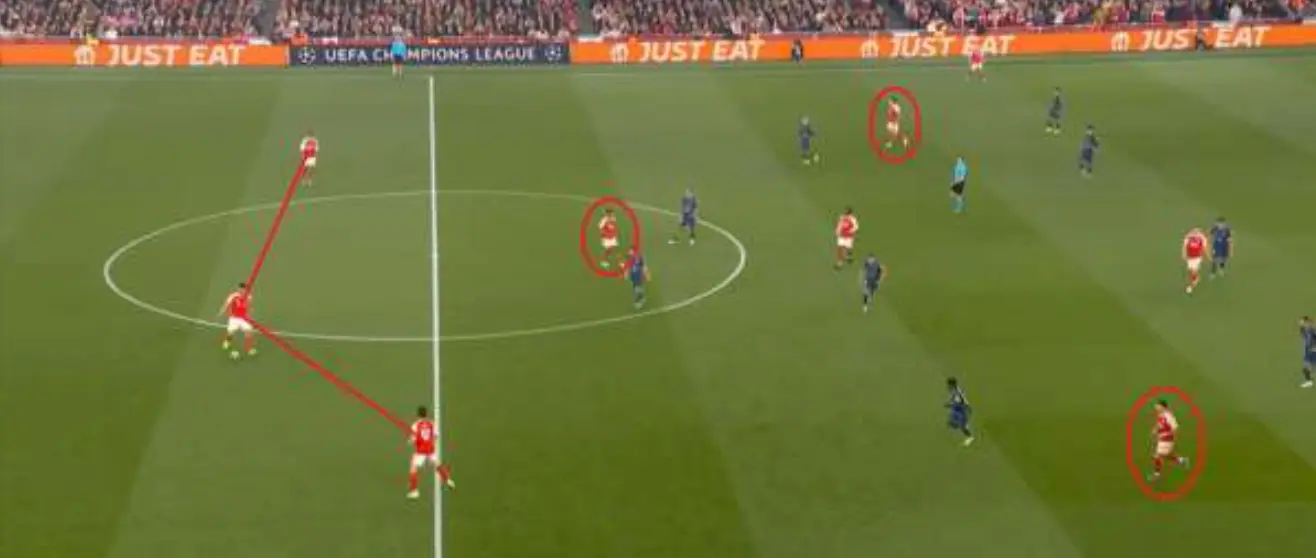
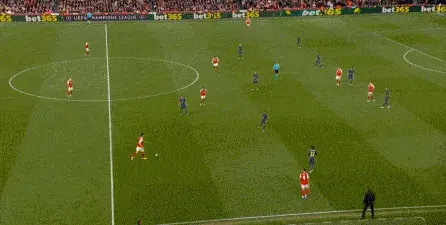
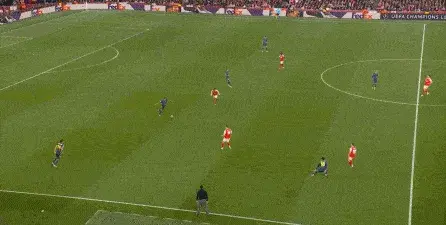
Rice dropped back to the defensive line, forming a de facto three-center-back formation with Gabriel Magalhães and William Saliba, while Skelly played as a single pivot in front of them. On both sides of Skelly, Matteo Guendouzi and Ben White all pushed forward, forming an attacking group with the three forwards and Eze to launch forward assaults.
Within this system, Arsenal still needed to make some positional rotations and movements: for example, Trossard and Saka still had to drop back to help out;Eze sometimes exposed the problem of slightly slow footwork due to his physical build;even Skelly himself had to pay the price of playing out of position as a defensive midfielder;
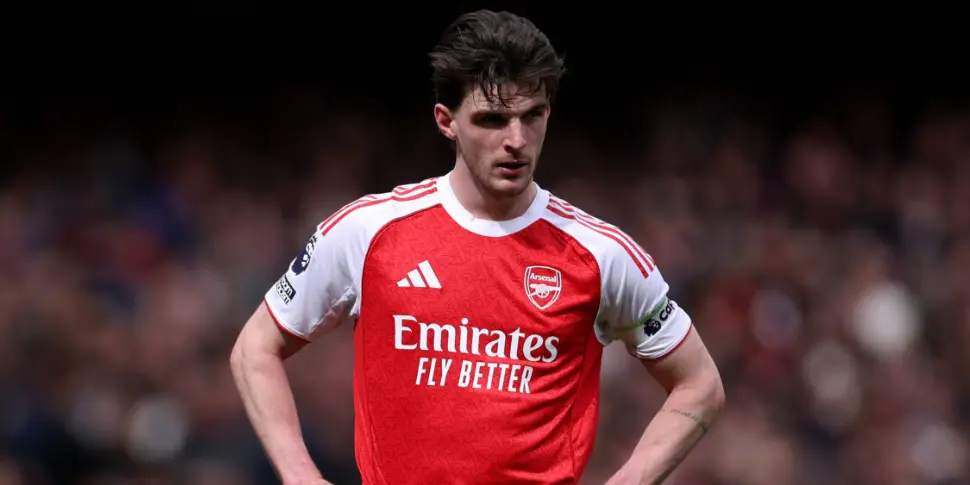
but overall, this new approach solved some inherent problems. For instance, in the previous strategy with all tall players in the middle and back lines, Martín Zubimendi was tasked with organizing possession and dictating play directions, which he was not good at. When he struggled, Rice often had to drop back to help. Although Rice worked hard, his physical build only exacerbated the severity of this problem.
In this new approach, Rice was either positioned at the last line, away from the high-pressure central midfield area, or rotated with teammates to push forward into the attacking third, allowing him to utilize his physical advantages.
This player can only be effectively used at both ends of the pitch: either protecting his own penalty area or attacking the opponent's. Using him in the midfield to link up play is essentially asking one player to do two jobs, which cannot be done with both power and finesse.
As for Skelly, who took on the linking responsibilities, his impressive performance was actually quite normal. Last season, when Skelly frequently cut inside from left-back to midfield, he already produced similar effects. Therefore, it was incomprehensible that Arteta completely relegated him to the bench this season just because his element of surprise faded, leading to a slight decline in performance.
Thus, after the previous match, Arteta said he should have let Skelly play this way earlier. After fans endured half a season of stagnant attacks, this hindsight was quite frustrating. But regardless, he finally remembered it at a crucial moment, which was better late than never.
Back to the Match
Since this was a brand-new tactical approach formulated only in recent days, the attacking end still required adaptation and coordination among teammates. Therefore, at the start of the match, Arsenal were in a decent position but created few scoring opportunities. Instead, Atletico Madrid posed several threats through set pieces and counterattacks.
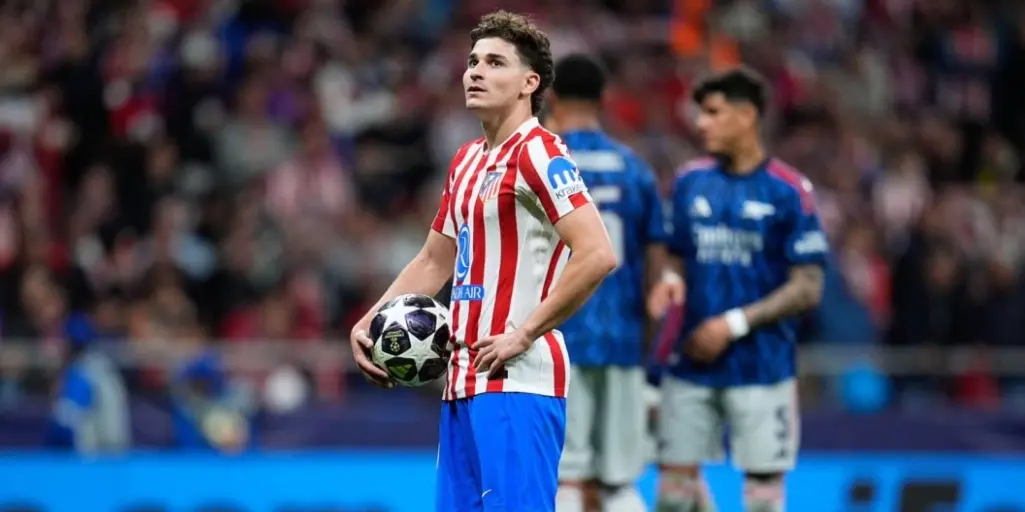
Julian Álvarez, the advanced forward, dropped back extensively and made frequent mistakes. Wing-backs with defensive responsibilities had to make desperate sprints from deep positions repeatedly. Atletico Madrid's attacking play from the very beginning had the shortcoming of insufficient efficiency.
Of course, with the aggregate score tied and playing away from home, Atletico Madrid could afford to play this way initially. Diego Simeone probably planned to go all out in the second half. However, as time passed, their attacks gradually became ineffective, and the defensive pressure increased day by day.
Thus, after 20 minutes, Arsenal's effective assaults began to materialize. In the middle, Gyökeres created opportunities, while full-backs and Rice could cross the ball freely. Even crosses that seemed poorly delivered caused significant defensive problems for Atletico Madrid due to multiple aerial threats gathering in front of goal, consuming their positioning and defensive energy.
Therefore, in the latter half of the first half, Atletico Madrid barely managed any effective attacks, and even effective progressions were few and far between, with only Marcos Llorente creating two.
Although Atletico Madrid had occasional bright moments, the overall trend did not change. With the momentum shifting, Arsenal gradually closed in on a goal. In the 44th minute, it was still Gyökeres who initiated a through pass for Arsenal, adjusting his steps to deliver a cross. After consecutive attacks, Saka scored the crucial goal.
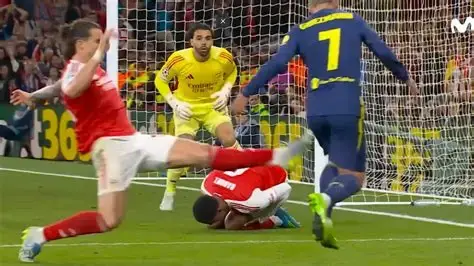
The idea behind this goal was actually the same as Arsenal's second goal in the previous match: both originated from Gyökeres's initial efforts, which forced Atletico Madrid's backline to play long balls directly, shifting the pressure to Saliba, who was not good at dealing with aerial duels. As expected, Saliba made a mistake, and Giuliano Simeone came close to winning a penalty. As Arteta said, this was indeed Atletico Madrid's best chance to score in the match, and they still maintained some intensity afterward. But gradually, their momentum was neutralized by Arsenal's counterattacks. Gyökeres wasted chances but also created opportunities for his teammates.
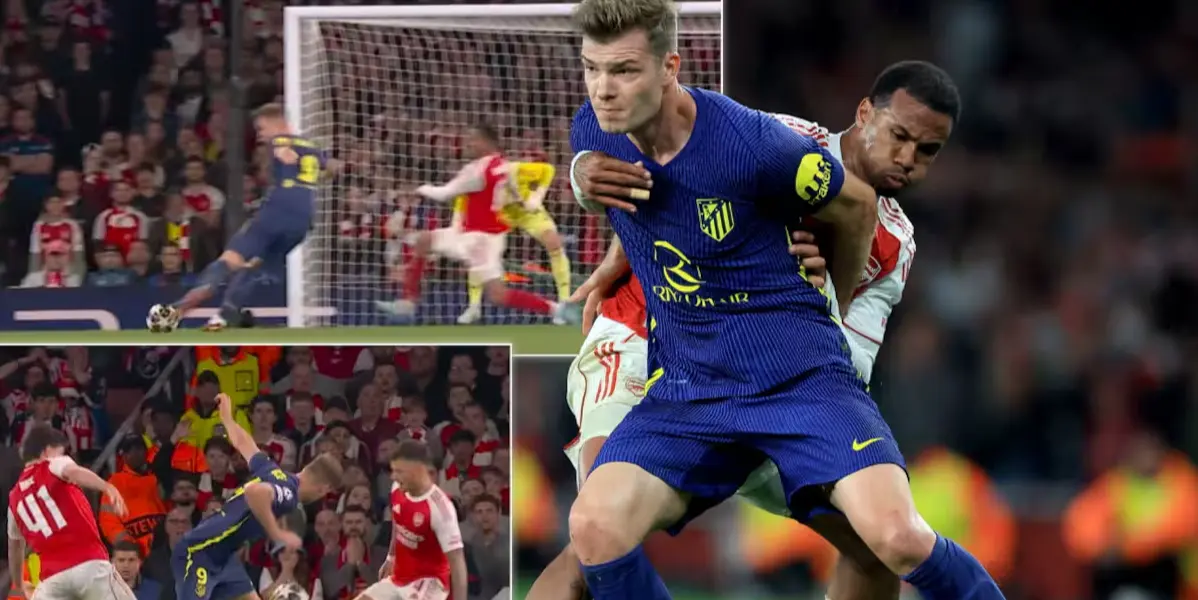
Around the 60-minute mark, both teams made substitutions. Arsenal, as usual, made like-for-like changes, especially replacing Saka, who couldn't play too long. This was somewhat damaging but unavoidable. At the same time, Atletico Madrid also made changes: Alexander Sörloth came on, and Ademola Lookman and Giuliano Simeone were substituted. Atletico Madrid switched to a standard four-back system, with Sörloth, Antoine Griezmann, and Álvarez all on the pitch at one point. Thus, in the 61st minute, Sörloth and Griezmann formed an excellent big-small combination, with the former winning an aerial duel and the latter controlling the ball in space.
However, this also brought defensive risks. So in the 66th minute, you could see that as Atletico Madrid pressed forward, Griezmann couldn't be expected to cover the flanks. Arsenal launched an attack and cross from the left, and Gyökeres missed a precious chance.
Perhaps this was something the usually conservative Simeone couldn't accept, so just one minute later, he substituted both Griezmann and Álvarez, leaving only Sörloth and substitute midfielders for the final assault. Facing the equally conservative Arteta, this might have achieved the desired defensive effect, but expecting Atletico Madrid to score a match-changing goal at this point became extremely difficult.
In the final 20 minutes, Atletico Madrid only created one good chance, which came from Pubill' tackle on Gyökeres. Atletico Madrid launched a quick counterattack, advancing directly to the left side of the attacking third, but Sörloth failed to handle the ball properly when meeting the cross for the final shot.
Gunners Continue to Chase Double Crown
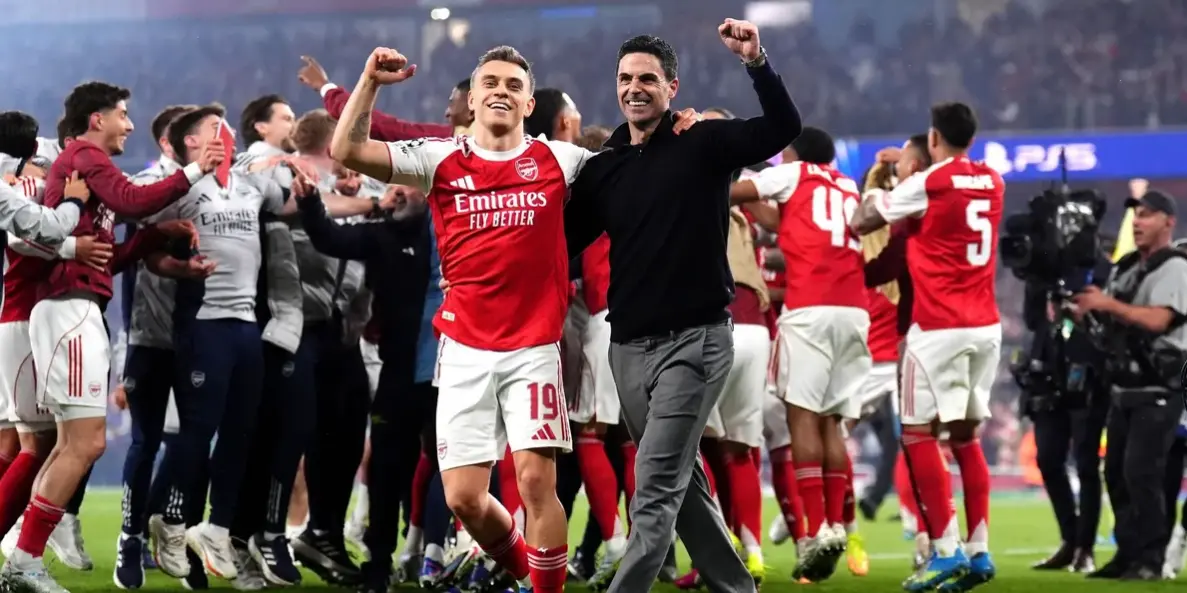
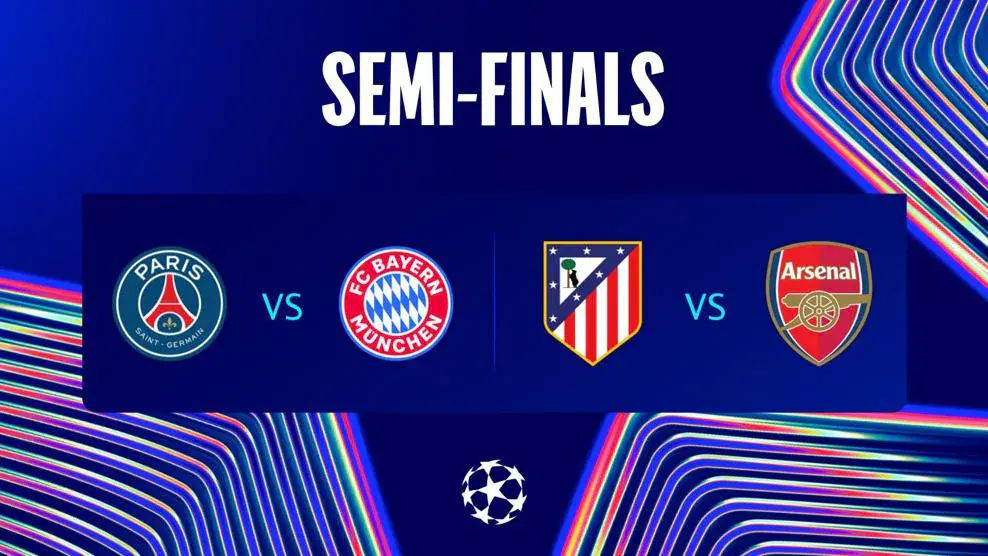
After missing this chance, it became difficult for Atletico Madrid playing away from home. They lost the match, and Arsenal advanced to the Champions League final after 20 years.
In fact, with Simeone's personnel choices—specifically not daring to use Sörloth more in the two-legged tie and thus failing to form the partnership between him and Griezmann—Atletico Madrid's ceiling was never going to be very high.
As a small advanced forward, Álvarez should have made more runs behind the defense and pulled wide to receive the ball, rather than dropping back to collect possession, which affected Griezmann's performance, not to mention sapping the energy of Lookman and Giuliano Simeone. Therefore, Atletico Madrid did not perform at their best themselves, failing to win even with home advantage, making their chances of beating Arsenal over two legs very low.
From this perspective, Arsenal should have advanced to the final with their original approach, but in the past week, Arteta finally came to his senses.
Zubimendi is not good at handling the ball in midfield, and Rice is even less suitable. Therefore, this pair cannot be paired with an all-tall defensive line. Under the original approach, this problem could only be solved by Odegaard dropping back, but using Odegaard in this way often resulted in low goal-scoring efficiency, as he wasted more than one precious chance during this period.
Thus, using Skelly, who had produced results last season, as a makeshift defensive midfielder, along with Trossard, who can also drop back, the problem of stagnant possession was properly addressed. In return, Arsenal had more fluid attacking forays and more aerial threats in the box during crosses. As a result, Gyökeres, who excels at wearing down defenders, came to the fore, and together with the more capable Saka, Atletico Madrid were defeated.
In just a few days, Arsenal went from facing the possibility of ending the season empty-handed to chasing titles on two fronts. Arteta achieved a remarkable self-rescue. Perhaps by the end of the season, he won't have to be criticized with the question: Why didn't you do this earlier?